
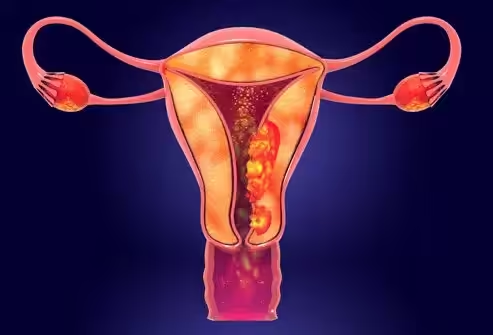
Uterine cancer is one of the more common cancers affecting women, yet many people are not fully aware of its early signs. Changes in the body can sometimes be confusing; thus, people may mistake them for other health issues. However, paying attention to these changes and understanding what they might indicate can help women take timely action. Raising awareness of uterine health plays an important role in recognising when something may require serious medical attention.
Understanding the early symptoms of uterine cancer can make it easier to seek help at the right time and explore suitable Uterine Cancer Treatment if needed. Many symptoms may not seem serious at first, but noticing them early can lead to better outcomes and more effective care.
Understanding Uterine Cancer
Uterine cancer begins in the lining of the uterus, known as the endometrium. It usually develops slowly, which makes it possible to notice early warning signs if attention is paid to changes in the body. While the exact cause may not always be clear, factors such as age, hormonal changes, obesity, and family history can increase the risk. Being aware of these factors can help women stay alert and take action when needed.
Early medical advice plays an important role in identifying the condition and starting the right Uterine Cancer Treatment if required. When detected early, treatment options are often more effective and easier to manage. This is why understanding both the condition and its early signs is essential for better health outcomes.
Early Symptoms to Watch For
Some symptoms may seem mild or common at first, but if they persist or feel unusual, it is important to pay attention and seek medical advice.
- Unusual vaginal bleeding: This is one of the most common early signs. It may include bleeding between periods, heavier-than-usual flow, or bleeding after menopause.
- Abnormal vaginal discharge: Watery or blood-stained discharge, sometimes with an unusual smell, should not be ignored, especially if it continues over time.
- Pelvic pain or pressure: Ongoing discomfort or a feeling of heaviness in the lower abdomen can be concerning and may need medical evaluation.
- Changes in the menstrual cycle: Irregular periods, increased pain, or noticeable changes in cycle length can be early indicators that should be discussed with a doctor.
- Unexplained weight loss and fatigue: Sudden weight loss or constant tiredness without a clear reason may be linked to underlying health concerns.
Not every symptom is a sign of cancer, but noticing patterns and changes early can make a meaningful difference.
When to Seek Medical Advice
It is important not to ignore symptoms that feel unusual or continue over time. Even small changes, such as irregular bleeding or ongoing discomfort, can feel worrying and deserve attention. While many of these signs may be linked to non-serious conditions, it is always better to have them checked rather than delay care.
Seeking medical advice early helps identify the cause and decide on next steps. Consulting experienced healthcare providers at BLK-Max Super Speciality Hospital can support timely evaluation and appropriate care. Early consultation not only brings clarity and reassurance but also allows timely care if any treatment is needed.
Risk Factors to Be Aware Of
Certain factors can increase the likelihood of developing uterine cancer. Being aware of them can help women stay more attentive to changes in their health and seek advice when needed.
- Age above 50: The risk increases with age, especially after menopause.
- Obesity or metabolic conditions such as diabetes: These conditions can affect hormone levels and increase risk over time.
- High blood pressure: Often linked with other health conditions that may contribute to risk.
- Long-term exposure to oestrogen: Hormonal imbalance or extended hormone therapy without medical guidance may play a role.
- Family history of uterine or related cancers: A genetic link can increase the chances, making regular check-ups important.
Being aware of these factors can encourage timely check-ups and help women take proactive steps towards their health. It also helps in recognising when something may need medical attention and seeking advice without delay.
Conclusion
Recognising early symptoms such as unusual bleeding, abnormal discharge, pelvic discomfort, and unexplained fatigue can help women take timely action. Noticing these signs and understanding your personal risk factors helps you spot potential problems early. While these symptoms may not always indicate a serious condition, seeking medical advice at the right time can provide clarity and reassurance.
Early diagnosis makes it easier to begin the right Uterine Cancer Treatment and improves the chances of effective care. Staying aware, taking small changes seriously, and seeking timely support can go a long way in protecting overall health and well-being.