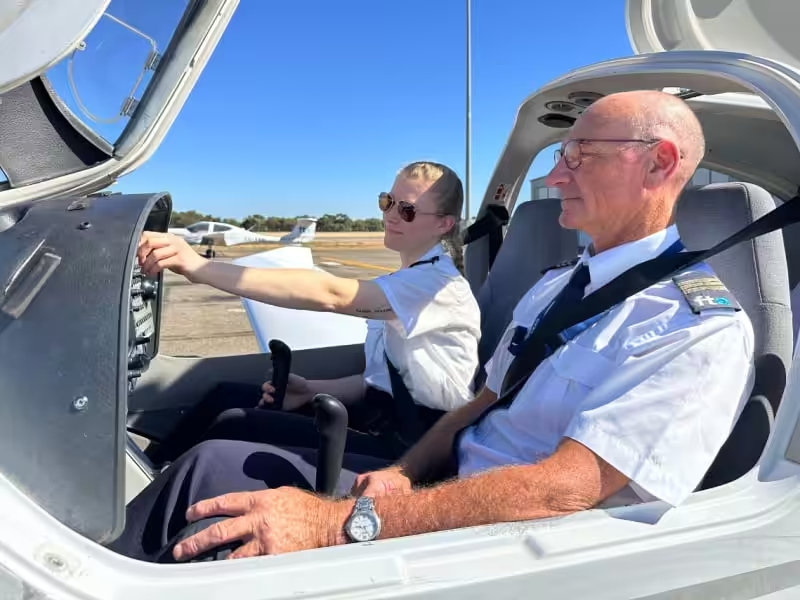
Applying for professional pilot training involves more than showing an interest in flying. Assessors also consider how well applicants understand aviation, training demands and their own career goals. People searching for a Qantas pilot cadet program should note one important distinction. The current pathway is officially called the Qantas Group Pilot Academy. Flight Training Adelaide, or FTA, provides the training and supports the selection process.
What Does the Selection Process Involve?
FTA reviews applications before inviting suitable candidates to continue through the selection stages. Successful applicants complete several assessments designed to check their readiness for professional pilot training. The current process may include:
- Computer-based aviation theory training and an online assessment.
- Aviation-specific psychometric and skills assessments.
- A core skills test where required.
- An interview conducted by senior FTA training staff.
Candidates researching a Qantas pilot cadet program should understand that these stages assess more than previous flying experience. The Academy accepts applicants with little or no flying experience.
Assessors Look at Your Ability to Learn
Before you start wondering how to become a Helicopter Pilot, it helps to understand that training involves technical study, practical flying, and regular assessments. Applicants therefore need to show they can understand and apply new information.
The Academy recommends a strong understanding of maths and science at Year 12 level. Some applicants may also complete reading and numeracy testing through the Australian Core Skills Framework.
Rather than memorising answers, candidates should focus on understanding basic aviation concepts. Careful preparation can also help applicants approach assessments with greater confidence and accuracy.
Your Motivation and Course Understanding Matter
The FTA interview covers an applicant’s assessment results, understanding of course requirements and motivation for becoming a pilot. Candidates should therefore prepare to explain why professional flying suits their long-term plans. Clear answers are more useful than rehearsed statements that offer little personal meaning.
Applicants should also understand the demands of professional training before attending the interview. Showing realistic expectations can support a more informed discussion about the course and career pathway.
Preparation Goes Beyond the Interview
Candidates should review eligibility and course requirements before starting the selection process. This includes checking educational requirements, training availability and personal commitments.
A CASA medical certificate is not required during selection. However, students must obtain a CASA Class 1 medical certificate before commencing Academy training. Applicants should also remember that completing the Academy does not guarantee a Qantas Group pilot position. Eligible graduates may receive an invitation to a Qantas Group Accelerate Assessment Centre.
Understand Which Flying Career You Want
Professional aviation includes several career paths, so applicants should know which type of flying interests them. The Qantas Group Pilot Academy focuses on aeroplane qualifications, including commercial pilot training and related ratings.
Someone researching how to become a helicopter pilot would need a different rotary-wing training pathway. FTA offers both fixed-wing and rotary-wing training, alongside airline-focused programs. Knowing this difference can help prospective students choose training that matches their preferred aviation career.
Conclusion
Assessors look for applicants who can learn aviation concepts, understand the course, and clearly explain their motivation. Preparation should cover aptitude testing, academic expectations, the interview, and required medical standards. Candidates should also research the exact training pathway before applying. Understanding what the selection process involves can help applicants prepare carefully and make realistic decisions about professional pilot training.