Nobody thinks much about how a food box folds together until the fold fails, a flap that pops open mid-delivery, a seal that lets grease seep through the seam, a lid that won’t sit flush no matter how many times you press it down. The fold pattern isn’t just a construction detail. It’s doing much of the work that keeps food contained, fresh, and intact between the kitchen and the customer.
Fold Style Decides More Than People Assume
A box is really just a flat sheet that’s been scored and cut to fold into a shape, and which fold pattern gets used changes how that shape behaves under real conditions, heat, moisture, weight, stacking pressure, and rough handling during delivery. Two boxes can use identical board stock and still perform completely differently depending on whether the fold locks tightly or just sort of holds itself together.
Most food packaging problems that look like “bad material” are actually fold problems. Grease seeping through a seam, a lid that pops under light pressure, steam escaping where it shouldn’t a lot of that traces back to how the flaps and panels were designed to meet each other in the first place.
Common Fold Styles and What They’re Actually Good At
Tuck-end folds the flaps into slots rather than relying on glue, which works well for dry goods and lighter snack packaging. They’re fast to assemble and cheap, but they’re not great against moisture or grease, since the tucked seams leave small gaps that liquids can work their way through over time.
Lock-bottom folds create a self-locking base that doesn’t require glue to hold weight, making them a solid choice for heavier or bulkier food items. The interlocking base panels distribute weight more evenly than a simple tucked or glued bottom would, reducing the risk of the box bowing or failing under a stack of product.
Auto-bottom (snap-bottom) folds pop into a flat, sturdy base the moment the box is opened, and they’re popular for exactly that reason. Fast assembly is crucial in high-volume food service. The tradeoff is a slightly higher material cost, since the fold geometry needs more precise scoring to snap correctly.
Gable-top folds, the shape you’d recognize from milk cartons and some takeout containers, seal well against moisture when they’re properly waxed or coated, but they need a liquid-resistant material to actually perform the fold, as alone doesn’t block moisture on uncoated stock.
Seal-end folds, glued rather than tucked, do the best job against grease and liquid of the common fold types, since there are no open seams left for anything to seep through. They’re a common choice for anything greasy or saucy, at the cost of being slower and slightly more expensive to produce than tuck-end alternatives.
Matching Fold Style to Food Type
| Fold Style | Best Suited For | Moisture/Grease Resistance | Assembly Speed |
| Tuck-end | Dry snacks, baked goods | Low | Fast |
| Lock-bottom | Heavier or bulkier items | Medium | Medium |
| Auto-bottom/snap-bottom | High-volume takeout, fast service | Medium | Very fast |
| Gable-top (coated) | Liquids, soups, and sauces | High, if coated | Medium |
| Seal-end (glued) | Greasy or saucy food | High | Slower |
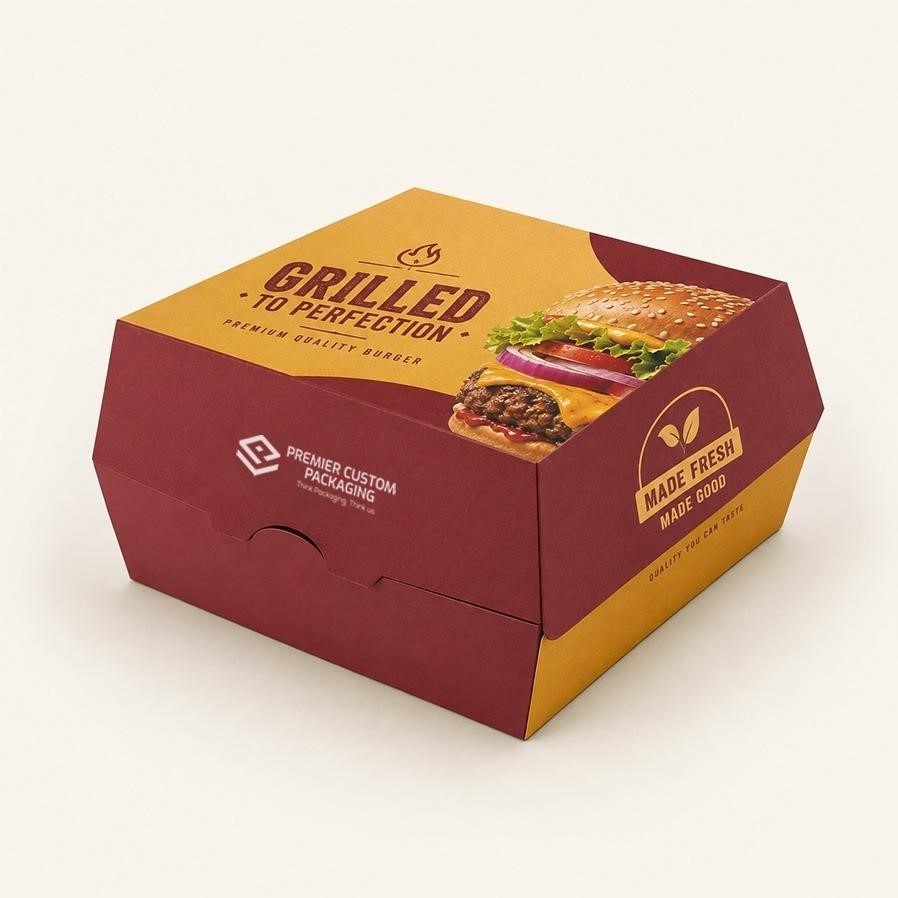
Picking the wrong fold for the food type is usually where problems start — a tuck-end box under a greasy burger, for instance, almost always ends up with a soaked, weakened seam by the time it reaches the customer.
Why Fold Precision Matters as Much as Fold Type
Even the right fold style fails if the scoring and cutting aren’t precise. A seal-end box with slightly misaligned panels can still leave a gap at the corner. A lock-bottom base that doesn’t fully interlock loses most of the weight-bearing benefit it’s supposed to provide. This is part of why cheap, poorly manufactured boxes sometimes underperform their fold style on paper — the design is sound, but the execution isn’t tight enough to deliver on it.
Where Sustainability Fits Into Fold Choice
Fold style and sustainability aren’t separate conversations anymore, especially as more food brands move away from plastic-lined packaging. Sourcing sustainable food packaging boxes wholesale has become a common way for brands to get fold-style lock-bottom, seal-end, and gable-top boxes made from recyclable or compostable board, rather than the plastic-coated stock that was once standard for moisture resistance. The fold still has to do its structural job, but the material beneath it is increasingly expected to break down responsibly once it’s served its purpose.
A Few Practical Notes for Choosing a Fold
- Match fold style to moisture and grease exposure first, before worrying about cost or assembly speed
- Don’t assume a premium fold style compensates for thin or low-quality board — the material still has to hold up on its own
- For high-volume operations, weigh assembly speed seriously, since a fold that takes a few extra seconds per box adds up fast at scale
- Test the actual fold under real conditions (heat, stacking, a short drop) before committing to it across a full product line
FAQs
Does fold style matter more than the packaging material itself?
They work together, not against each other. A strong material with the wrong fold style can still fail at the seams, and a well-chosen fold on weak material won’t hold up either; both need to match the type of food.
Why do some food boxes leak even when the material is supposed to be grease-resistant? Usually, because the fold style leaves open seams, like a basic tuck-end design, that let grease work through even when the board itself resists it reasonably well.
Is seal-end folding always the best choice for food packaging?
It’s not always the best choice, especially for grease or liquid resistance, but it’s slower and more expensive to produce, so it’s unnecessary for dry goods that don’t need that level of seam protection.
Can sustainable, plastic-free boxes still perform as well as plastic-coated ones?
Often yes, especially with fold styles like seal-end or coated gable-top, which compensate structurally for some of what plastic coating used to provide, though very high-moisture foods may still need some kind of liner or coating.
How much does fold precision actually affect performance?
More than most people expect. A good fold design executed poorly, misaligned scoring, and loose tucks can underperform a simpler fold style that’s manufactured precisely.