Managing a Credit Card responsibly involves more than remembering the payment due date. One aspect that you may overlook is the billing cycle. However, understanding how it works can make it easier to track spending, plan repayments and stay organised with your finances.
You may use your card regularly for everyday purchases but pay little attention to the dates that govern how transactions are recorded and billed. A billing cycle determines which transactions appear in your monthly statement and understanding it can help you make informed financial decisions and avoid confusion regarding your expenses.
What Is a Billing Cycle?
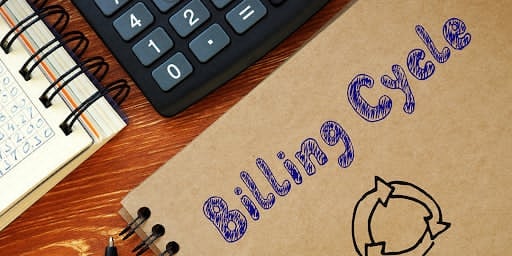
A billing cycle is a fixed period during which all eligible transactions made using your card are recorded. At the end of this period, the bank prepares a statement that shows your purchases, payments, fees and the outstanding amount.
It is important to understand the three dates associated with a billing cycle. The first is the billing cycle period itself, which determines which transactions appear in a particular statement. The second is the statement generation date, when the monthly statement is prepared. The third is the payment due date, which is the last date for making the payment according to the applicable terms.
Understanding these dates gives you a clearer picture of when your expenses are recorded and when your payments become due. It also helps you understand how your monthly transactions are grouped and presented in your statement.
Better Payment Planning Starts with Knowing Your Billing Dates
Knowing your billing dates can help you organise your finances more effectively. When you are aware of your statement generation date and payment due date, you can plan your expenses and arrange funds accordingly.
You may focus only on the due date. However, understanding the entire billing cycle allows you to review your spending regularly and prepare for upcoming payments in advance. It can also help reduce the possibility of overlooking a payment because you have a better understanding of your monthly commitments.
Keeping track of billing dates also makes it easier to set reminders and review your finances at regular intervals instead of waiting until the last minute.
Understanding the Interest Free Period
The billing cycle also influences the interest-free period available on purchases. This period refers to the time between the purchase date and the payment due date, provided the outstanding amount is paid according to the applicable terms.
The repayment window can differ depending on when you make a purchase during the billing cycle. A transaction made at the beginning of the cycle may have more days before payment becomes due than one made closer to the statement generation date.
Understanding this relationship can help you make more informed spending decisions and manage your cash flow better. It also encourages you to pay greater attention to the timing of your purchases and repayments so that you can plan your finances with greater confidence.
Using Monthly Statements to Understand Your Spending Habits
Your monthly statement is more than a record of transactions. It can also provide valuable insights into your spending behaviour and help you understand how you use your card throughout the month.
Your statement can help you:
- Identify the categories where you spend the most.
- Recognise recurring payments and subscriptions.
- Compare your spending against your monthly budget.
- Monitor changes in your expenses from one month to another.
Reviewing these details regularly can help you better understand your financial habits. It can also help you identify areas where you may want to make adjustments and manage your spending more effectively.
How Billing Cycles Help You Spot Unfamiliar Transactions
Your billing cycle also gives you an opportunity to review all transactions recorded during the month. You may look at your statement only to check the amount due. However, taking a few minutes to review each entry can help you identify transactions that you do not recognise.
A careful review of your statement can help you:
- Verify that all purchases have been recorded correctly.
- Identify duplicate transactions, if any.
- Spot unauthorised transactions at an early stage.
- Keep track of refunds or reversals that may still be pending.
Checking your statement regularly can help you take prompt action if you notice anything unusual. It also encourages you to stay involved with your finances rather than viewing the statement only as a payment reminder.
How Billing Cycle Awareness Encourages Financial Discipline
Understanding your billing cycle can encourage more responsible financial habits. Reviewing your statement each month allows you to check whether all transactions are accurate and identify any unfamiliar activity.
Monitoring your outstanding balance also helps you stay aware of your financial commitments. This habit can support better spending decisions and help you maintain control over your monthly expenses.
Today, many transactions are completed through digital payment methods, including RuPay Credit Card UPI transactions. Regardless of how you make payments, regularly reviewing your statement and understanding your billing cycle remain important parts of responsible financial management.
Over time, these practices can help you develop better financial discipline and stay informed about your spending patterns.
Practical Ways to Manage Your Card Account More Effectively
A few simple practices can help you make better use of your billing cycle and stay organised throughout the month.
Consider the following steps:
- Keep a note of your statement generation date and payment due date.
- Review your monthly statement carefully.
- Set reminders for important payment dates.
- Monitor your transactions throughout the month.
- Check your outstanding balance regularly.
- Use your statement to understand your spending patterns.
Following these practices can make it easier to stay informed about your finances and improve the way you manage your Credit Card account.
Conclusion
Understanding your billing cycle can improve the way you manage your finances. It helps you plan payments, track spending and stay aware of your outstanding balance. More than an administrative process, the billing cycle is a useful tool that supports informed financial decisions.
Regularly reviewing your billing dates and statements can help you maintain better control over your monthly expenses. Developing this habit requires little effort, but it can make a meaningful difference to your overall financial management and help you make better financial decisions over time.