Footwear has a story to tell in most homes. A pile of trainers by the front door, heels teetering at the back and a treasured pair of boots gradually shrinking under a mound of random shoes. Footwear is an investment and your storage options dictate how long it will last.
The modest shoe box is one of the most practical and easiest ways to safeguard your investment. In this guide, you will learn why good storage is important, how a good box protects your shoes, and what you should look for in a storage solution.
The Hidden Damage of Poor Shoe Storage
Shoes are rarely worn out by walking. Most of the wear and tear occurs when they’re just sitting there. Here are the effects of storing shoes openly or lackadaisically:
- Dust and dirt entering the fabric, suede, and stitching will cause it to fade and wear off.
- Damp air may cause leather to warp, glue to loosen, and a musty smell.
- Crushing and creasing: Shoes that are bunched up lose their shape and heels or toe boxes can become bent out of shape.
- Sunlight fade: Bleaches color and dries leather and rubber.
- Scuffs and scratches: Shoes scuff each other and mark the surface, which is difficult to remove.
With one shoe box, you can help solve all of these issues simultaneously.
Benefits of a Shoe Box for Your Shoes
Keeps it from dirt and light. A lid that’s shut prevents dust from falling onto the face and keeps the rays from fading the color.
Love how it keeps each shoe separate. Keeps individual boxes from scuffing up or crushing shoes of a different pair.
Your form is kept. A rigid box adds the shape of the shoe, particularly if it’s a delicate style like a boot, a heel, or a dress shoe.
It controls airflow. Cardboard breathes. It allows some air to pass through and lets bottled-up moisture escape.
It helps you organize your collection. Stack boxes, and they won’t take up much space on the floor or on a shelf. Labels and photos on the front make it easy to find a pair in a hurry.
Why Cardboard Works So Well
There is a time and a place for plastic bins, but there is a reason cardboard is still the go-to when it comes to packaging. It’s inexpensive, and you don’t have to worry about adding too much weight. It’s also naturally breathable and recyclable.
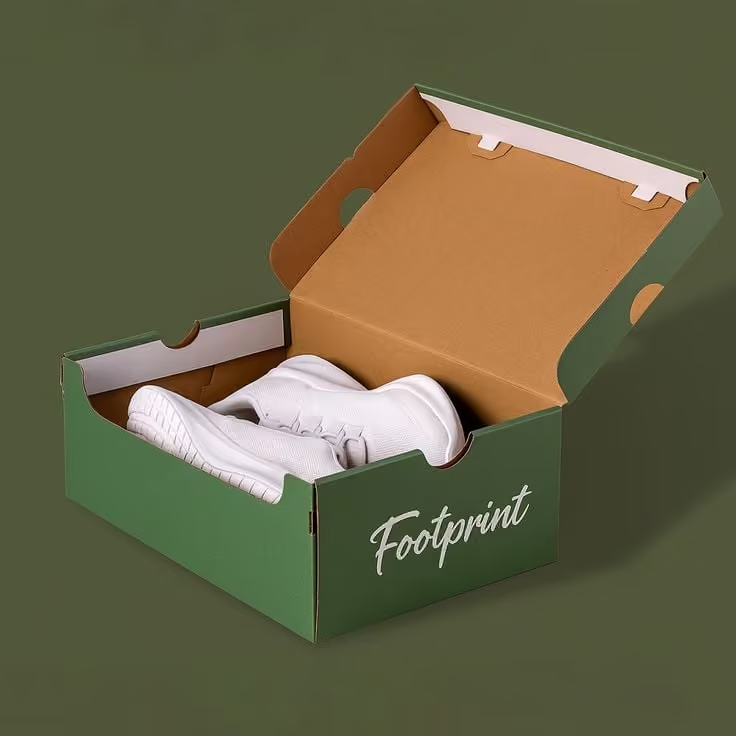
Corrugated board provides extra strength for heavier and more expensive shoes. The corrugated inner layer provides soft padding against knocks and still offers enough support to stack the boxes. Home-based shoe organizers and retailers frequently use corrugated cardboard shoe boxes with lids for bulk storage that remains tidy when stacked on shelves.
Comparing Common Shoe Storage Options
Not every storage method protects shoes equally. The table below compares popular choices.
| Storage Method | Dust Protection | Breathability | Stackable | Cost | Best For |
| Open shoe rack | Low | High | No | Low | Everyday pairs worn often |
| Plastic bin | High | Low | Yes | Medium | Short-term or humid areas |
| Fabric shoe bag | Medium | Medium | Limited | Low | Travel and seasonal storage |
| Standard cardboard shoe box | High | High | Yes | Low | Most home and retail needs |
| Corrugated box with lid | High | High | Yes (stronger) | Low to medium | Heavy shoes, boots, long-term storage |
For most households and shops, a lidded cardboard box offers the best balance of protection, airflow, and price.
Choosing the Right Shoe Box
A little planning goes a long way. Consider these factors before you buy.
Size. The box should fit the shoe without squeezing it. Too small and the shoe is crushed. Too large and it slides around. Boots and high-tops need taller boxes.
Strength. Single-wall corrugated suits everyday shoes. Heavier footwear or boxes you plan to stack high may need a stronger build.
Lid type. A full lid gives the best dust protection. Hinged and tuck-top styles are convenient for quick access.
Finish. Plain kraft looks natural and clean. Printed or coated boxes suit retail display and add branding value.
Sustainability. Look for recycled content and recyclable materials, especially if you are buying in bulk.
Practical Tips for Storing Shoes in Boxes
- Clean before storing. Wipe away dirt and let shoes dry fully. Storing damp shoes invites mold.
- Use shoe trees or stuffing. Acid-free tissue or a cedar shoe tree helps shoes keep their shape and absorbs moisture.
- Add silica gel packets. Small packets reduce humidity inside the box, especially for leather.
- Stack smartly. Put heavier boxes on the bottom and keep stacks to a stable height.
- Label every box. Write the style and color on the end, or tape a photo to the front.
- Choose the right spot. Keep boxes in a cool, dry place away from heaters, windows, and damp basements.
- Check occasionally. Once or twice a year, open boxes to air out shoes and look for signs of moisture or pests.
Benefits for Retailers and Online Sellers
Shoe boxes matter just as much on the business side. For footwear retailers, a good box does several jobs:
- Protects products through warehousing, shipping, and handling
- Reduces returns by keeping shoes in new condition
- Supports branding through logos, colors, and finishes
- Speeds up inventory with clear labels and uniform sizes
- Improves the unboxing experience, which encourages repeat purchases and social sharing
Because uniform boxes stack neatly, stockrooms stay organized and shelves look professional. Many businesses also compare bulk pricing as their order volume grows, since a lower cost per unit adds up quickly across seasonal inventory.
Common Mistakes to Avoid
- Using sealed plastic for leather. Trapped moisture can cause cracking and mold.
- Overstuffing boxes. Forcing two pairs into one box deforms both.
- Storing in damp areas. Basements and garages are risky without humidity control.
- Skipping the cleaning step. Dirt left on shoes spreads and stains the box interior.
- Ignoring weight limits. Stacking too high can crush the bottom boxes.
Final Thoughts
Shoe boxes may look ordinary, but they do essential work. They protect against dust, light, moisture, and crushing, keep each pair in shape, and turn a messy closet into an organized collection. For retailers, they also protect products in transit and strengthen the customer experience.
Whether you are caring for a few favorite pairs or managing hundreds of units, choosing the right box is a small step with a big payoff. Start with the right size and strength, add a few simple storage habits, and your footwear will look better and last longer.