
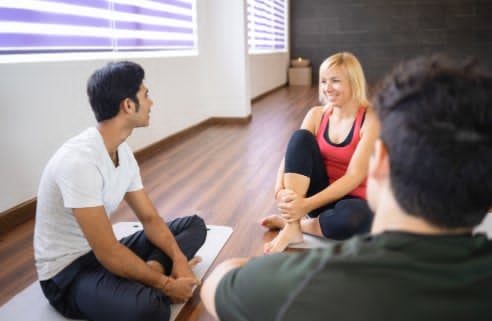
People have different goals for social connection, independence, skill development and community participation. NDIS-registered providers in South Australia may offer group-based supports that help participants work towards individual goals. Wellbeing Groups can provide opportunities to meet others, practise everyday skills and explore interests. Available programmes vary between providers, making it useful to understand the main types and how they may relate to individual preferences and funded supports.
Social and Community Participation Groups
Social and community participation groups can offer opportunities to meet people, build connections, and get involved in local activities. Depending on the provider, sessions may take place at a centre or in community settings.
Common activities may include:
- Community Outings: Visits to local attractions, events or community spaces.
- Recreational Activities: Games and shared activities that encourage interaction.
- Social Groups: Regular sessions based around shared interests and experiences.
- Community Activities: Suitable programmes involving local events or volunteering.
These activities can help participants build social connections and practise community participation in ways that align with their individual goals.
Physical Activity and Recreation Groups
Some providers may offer group activities involving movement, recreation and active participation. Sessions can include walking, recreational games or other suitable physical activities, depending on the programme and participant requirements. Participants can consider accessibility, activity level, staff assistance and personal preferences when exploring these options. Providers can also explain how a programme relates to NDIS goals and funded supports, helping participants understand whether the activity suits their circumstances.
Life Skills and Independence Groups
Group activities can provide a structured environment for participants to practise everyday skills. The activities offered will depend on the provider, programme and participant goals.
Examples may include:
- Meal Preparation: Practising planning and preparing simple meals.
- Shopping Skills: Learning to plan purchases and navigate community settings.
- Money Skills: Practising budgeting and everyday money management.
- Communication Skills: Developing communication, decision-making and self-advocacy skills.
These sessions may be appropriate when building daily living skills and independence aligns with a participant’s goals and available supports. Providers can explain how each activity is structured and what assistance is available.
Creative and Interest-Based Groups
Creative groups can combine personal interests with opportunities for social participation and skill development. Activities may include art, craft, music, gardening, photography or other hobbies, depending on the provider. Shared interests can give participants a natural focus for interaction while allowing them to explore enjoyable activities.
Participants can consider group size, accessibility, session length and available staff assistance before joining. Reviewing these practical details can help identify activities that suit individual interests, abilities and participation goals.
Communication and Personal Development Groups
Some Wellbeing Groups may focus on communication and skills that can support participation in everyday situations. Programmes may include activities involving planning, decision-making, communication practice, teamwork or other structured tasks that relate to individual goals.
Participants can ask providers about the purpose of each programme, how sessions are organised and how individual support requirements are accommodated. Understanding these details can help participants determine whether the activities provide relevant opportunities to practise skills and engage with others.
Community-Based Interest Groups
Some group supports may involve activities in the wider community rather than at a provider’s premises. These programmes can give participants opportunities to explore interests, attend suitable events and become involved in social, recreational or civic activities.
Activities vary between providers and should relate to individual goals and appropriate NDIS supports. Participants can discuss their interests and preferences with providers to understand which community-based options are available and what assistance may be provided during participation.
How to Choose a Suitable Wellbeing Group
Choosing a suitable group involves considering individual goals alongside the practical arrangements for each programme. Several factors can help participants compare their options:
- Individual Goals: Consider whether the activity relates to relevant NDIS goals.
- Personal Interests: Look for activities that are meaningful and engaging.
- Available Support: Ask what assistance staff provide during sessions.
- Accessibility: Check whether the venue and activities meet individual requirements.
- Group Format: Consider group size, duration and frequency.
- Costs: Ask for clear information about charges and service arrangements.
Reviewing these factors can help participants understand what each programme offers and whether it aligns with their circumstances. Participants can also discuss service arrangements directly with prospective providers before starting a group activity.
Conclusion
Wellbeing Groups available through NDIS-registered providers in South Australia can include social participation, recreation, daily living skills, creative interests, communication and community activities. Programmes vary between providers, making individual goals, interests, accessibility and available supports important considerations. Asking about activities, staff assistance, group structure and costs can help participants compare their options and choose meaningful opportunities to develop skills, connect with others and participate in community life.