
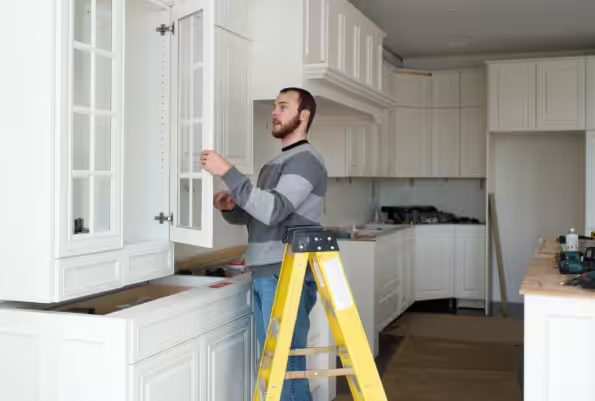
Wall cabinets are one of the most practical additions to any home. Whether you’re upgrading a kitchen, laundry room, garage, or office, properly installed cabinets provide valuable storage while enhancing the overall appearance of your space. However, even high-quality cabinets can fail to perform as expected if they’re installed incorrectly. Small mistakes during installation can lead to uneven cabinets, damaged walls, reduced storage capacity, or even safety hazards over time. Whether you’re renovating an older home or upgrading a newer property in Orland Park, IL, understanding the correct installation process can help you avoid costly repairs and ensure your cabinets remain secure for years.
If you’re planning a cabinet installation project, understanding the most common pitfalls can save time, money, and frustration. Choosing the right wall storage cabinet solution is only the first step; the installation process is equally important for long-lasting performance. This guide explores five common mistakes homeowners and DIY enthusiasts should avoid while sharing practical tips to help you achieve professional-looking results.
1. Skipping Proper Wall Preparation
One of the biggest mistakes people make is assuming every wall is ready for cabinet installation. Before mounting any cabinet, it’s important to inspect the wall carefully. Drywall damage, uneven surfaces, hidden plumbing, or electrical wiring can create unexpected challenges during installation.
Using a stud finder to locate wall studs is essential because cabinets should be anchored into structural framing whenever possible. Installing heavy cabinets directly into drywall without adequate support increases the risk of the cabinet pulling away from the wall over time. Taking a few extra minutes to inspect, repair, and prepare the wall creates a much stronger foundation for your cabinets.
2. Incorrect Measurements and Layout Planning
Accurate measurements are the foundation of every successful cabinet installation. Many installation problems begin with rushed planning or inaccurate measurements.
Before drilling any holes, measure the room multiple times. Consider ceiling height, appliance clearance, windows, electrical outlets, lighting fixtures, and countertop placement. Mark the desired cabinet positions using a level and painter’s tape to visualize the final layout.
Proper planning also helps maximize available storage space while maintaining a balanced appearance throughout the room. Even a small measuring error can create noticeable alignment issues that become difficult to fix later.
3. Installing Cabinets Without Ensuring They’re Level
Even premium cabinets can look unprofessional if they aren’t perfectly level. Uneven cabinets affect both appearance and functionality. Cabinet doors may swing open unexpectedly, shelves may become uneven, and gaps between cabinets can become highly visible.
Professional installers always use a long level throughout the installation process instead of relying solely on visual judgment. Shims are commonly used to compensate for uneven walls and floors, ensuring every cabinet aligns correctly.
Checking alignment after each cabinet is mounted prevents small errors from becoming larger problems as additional cabinets are installed.
4. Using the Wrong Fasteners
Not all screws and anchors are designed to support the weight of wall cabinets. Choosing inexpensive or incorrect hardware is a common mistake that can reduce the lifespan and safety of your installation. Cabinets loaded with dishes, cookware, pantry items, or tools become significantly heavier than when they are empty. The mounting hardware must be capable of supporting both the cabinet and its intended contents.
Always follow the manufacturer’s installation recommendations and use high-quality cabinet screws designed specifically for structural mounting. Investing in proper hardware is far less expensive than repairing damaged walls or replacing fallen cabinets.
5. Ignoring Weight Distribution
Even securely installed cabinets have weight limits. Overloading a single cabinet or placing heavy objects on unsupported shelves can cause long-term damage. Distribute heavier items evenly across multiple cabinets and avoid concentrating excessive weight in one location. If you’re storing particularly heavy equipment or supplies, consider adding additional support brackets or reinforced shelving. Routine inspections can also help identify loose screws or shifting cabinets before they become serious safety concerns.
Professional Installation Makes a Difference
Although many homeowners enjoy DIY projects, cabinet installation requires precision, proper tools, and careful planning. Homeowners in Orland Park, IL often choose professional installers to ensure their cabinets are securely mounted, properly aligned, and built to withstand daily use. Professional installation helps reduce the risk of costly mistakes while delivering a clean, polished finish.
For homeowners searching for a reliable Cabinets store in Orland Park, IL, choosing a trusted local cabinet supplier offers several advantages. Local professionals understand regional home styles, can recommend products suited to your space, and often provide installation guidance or complete installation services. Visiting a reputable local showroom also allows you to compare cabinet materials, finishes, and storage solutions before making a purchase.
Additional Tips for Long-Lasting Cabinets
Proper maintenance is just as important as proper installation. Clean cabinet surfaces regularly using manufacturer-approved cleaning products, tighten any loose hardware during routine inspections, and avoid slamming cabinet doors to reduce wear on hinges. If you notice cabinets beginning to shift, sag, or separate from the wall, address the issue immediately. Small repairs completed early can prevent larger structural problems later. Choosing quality materials, following recommended installation practices, and maintaining your cabinets regularly will help preserve both their appearance and functionality.
Conclusion
Installing wall cabinets may seem straightforward, but small mistakes can significantly impact their safety, durability, and overall appearance. Preparing the wall correctly, measuring carefully, ensuring every cabinet is level, selecting appropriate fasteners, and distributing weight properly all contribute to a successful installation.
Whether you’re completing a DIY renovation or hiring experienced professionals in Orland Park, IL, taking the time to plan your cabinet installation properly will produce better long-term results. Investing in quality products, careful installation, and reliable local expertise helps ensure your wall cabinets remain safe, functional, and visually appealing for years. By avoiding these common mistakes, you’ll enjoy durable storage solutions that add both value and organization to your home.