Ever found yourself standing in a hardware store, completely overwhelmed by the wall of plastic sheets in front of you? Wondering which type of acrylic will work for your DIY project or professional build? You’re not alone in this.
Choosing the right acrylic can feel like a minefield. There’s cast versus extruded, clear versus tinted, and don’t even get us started on thickness options. Get it wrong, and you might end up with a material that cracks, yellows, or simply doesn’t suit your needs. Get it right, though, and you’ve got yourself a versatile, durable material that can transform your project.
In this guide, we’ll walk you through everything you need to know about selecting the perfect acrylic for your specific needs. From understanding the basics to picking the ideal thickness, exploring different types, and figuring out what works best for outdoor applications – we’ve got you covered. By the end, you’ll feel confident making an informed decision that saves you time, money, and frustration. Let’s get stuck into it.
What Is Acrylic? Understanding the Basics
Acrylic, also known by brand names like Perspex or Plexiglas, is a transparent thermoplastic that’s become incredibly popular across countless industries. It’s essentially a type of plastic that offers remarkable clarity, making it an excellent alternative to glass in many applications.
What makes acrylic so appealing? For starters, it’s significantly lighter than glass – roughly half the weight. It’s also much more impact-resistant, which means it won’t shatter into dangerous shards if something goes wrong. Plus, it’s easier to cut, shape, and work with than traditional glass.
Cast Acrylic vs Extruded Acrylic: What’s the Difference?
Here’s where things get interesting. Cast acrylic is made by pouring liquid acrylic into moulds, then allowing it to set. This process creates a harder, more durable material with superior optical clarity. It’s ideal for applications requiring precision, like laser cutting or engraving.
Extruded acrylic, on the other hand, is produced by pushing acrylic through rollers. It’s generally more affordable and has a softer surface that’s easier to bend and thermoform. However, it tends to have more internal stresses and can crack more easily during machining.
Acrylic vs Glass: Which Is Better for Your Project?
The acrylic versus glass debate really comes down to your specific requirements. Acrylic offers better impact resistance – it’s 17 times stronger than glass. It’s also lighter, more flexible, and provides excellent UV resistance when treated.
Glass, meanwhile, offers superior scratch resistance and tends to maintain its clarity longer without yellowing. For applications where scratching is a concern or where you need maximum optical purity, glass might be your better bet. However, for most DIY and commercial projects, acrylic’s versatility wins out.
Types of Acrylic Sheets Available
Understanding the different types of acrylic sheets available will help you narrow down your options considerably.
Clear Acrylic Sheets
Clear acrylic is the most common type and offers up to 92% light transmission – that’s actually better than glass! It’s perfect for display cases, picture frames, windows, and anywhere you need maximum visibility. The crystal-clear finish makes it incredibly versatile.
Coloured and Tinted Acrylic
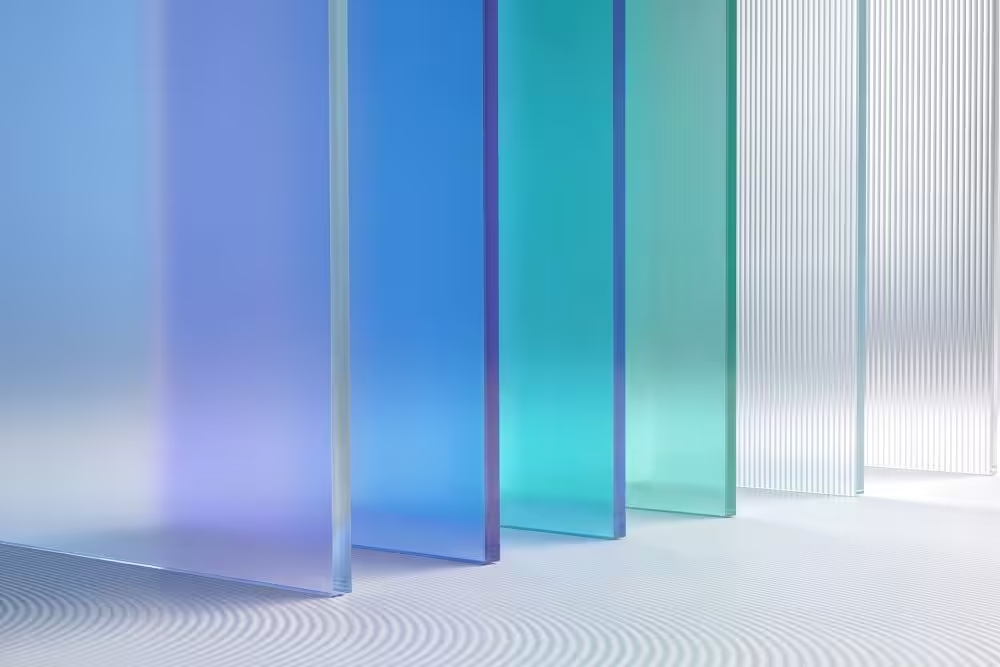
Want to add some personality to your project? Coloured acrylic comes in virtually every shade imaginable. Tinted options are brilliant for reducing glare or adding privacy while still allowing light through. Think shopfronts, decorative panels, or creative installations.
Frosted and Opal Acrylic
Frosted acrylic provides that beautiful, diffused look, perfect for privacy screens, light diffusers, or modern furniture pieces. Opal acrylic takes this further, offering excellent light diffusion for illuminated signs and displays.
Mirror Acrylic
Mirror acrylic gives you that reflective finish without the weight and fragility of traditional mirrors. It’s fantastic for decorative applications, dance studios, or anywhere safety is a priority.
Specialty Acrylics
UV-resistant acrylic is treated to withstand prolonged sun exposure without yellowing. Anti-glare versions reduce reflections for display applications. Impact-modified acrylic offers enhanced durability for high-traffic areas or security applications.
How to Choose the Right Acrylic Thickness
Getting the thickness right is absolutely crucial for your project’s success.
What Thickness of Acrylic Do I Need?
The thickness you need depends on several factors: the size of your piece, how it’ll be supported, what loads it needs to bear, and whether it’s for indoor or outdoor use. Larger unsupported spans require thicker material to prevent bowing or flexing.
Acrylic Thickness Guide by Application
For general signage and small displays, 3mm is usually sufficient. Picture frames and small windows work well with 4-5mm. Larger windows, furniture, and shelving typically need 6-10mm. For heavy-duty applications like aquariums or structural glazing, you’re looking at 12mm and above.
Selecting Acrylic for Common Projects
Let’s break down the best choices for specific applications.
Best Acrylic for Signage and Displays
For signage, cast acrylic is your best mate. It machines beautifully, accepts printing well, and maintains clarity over time. Consider opal acrylic for illuminated signs – it diffuses LED light evenly without hot spots.
Acrylic for Windows and Glazing
Clear cast acrylic works brilliantly for windows. For areas with direct sunlight, opt for UV-stabilised versions. Thickness-wise, 6mm minimum for most window applications provides adequate strength and insulation.
Choosing Acrylic for Furniture and Shelving
Furniture demands thicker acrylic – typically 10mm or more for shelves supporting any real weight. Cast acrylic’s superior strength makes it the preferred choice here. Clear acrylic creates that gorgeous floating effect for modern designs.
Acrylic for Outdoor Use: What You Need to Know
Outdoor applications require UV-stabilised acrylic to prevent yellowing and degradation. Cast acrylic generally performs better outdoors due to its density and weather resistance.
Is Acrylic Suitable for Outdoor Use?
Absolutely, but with some important caveats. Standard acrylic will eventually yellow and become brittle when exposed to prolonged UV radiation. That’s why UV-stabilised or UV-resistant acrylic is essential for any outdoor project.
Quality outdoor acrylic can withstand Australian conditions for years without significant degradation. It handles temperature fluctuations well and won’t become brittle in cold snaps or warp excessively in heat. Just make sure you’re buying specifically UV-treated material for exterior applications.
Can Acrylic Be Cut and Shaped Easily?
One of acrylic’s biggest advantages is its workability. You can cut it with standard tools – circular saws, jigsaws, or even score-and-snap methods for thinner sheets. Laser cutting produces incredibly clean edges.
Acrylic can also be heated and bent into curves and shapes using a strip heater or heat gun. Cast acrylic machines more precisely, while extruded acrylic bends more easily. With practice and patience, even DIY enthusiasts can achieve professional-looking results.
Key Factors to Consider Before Buying Acrylic
Before making your purchase, weigh up these essential considerations.
Durability and Impact Resistance
Think about what your acrylic will face. High-traffic areas need impact-modified options. Standard acrylic handles everyday knocks fine, but for added protection, consider thicker sheets or specialty grades.
Optical Clarity and Light Transmission
For display applications, optical clarity is paramount. Cast acrylic offers superior clarity. Check for any cloudiness or imperfections before purchasing, especially for prominent installations.
Weather Resistance and UV Stability
We’ve mentioned this already, but it bears repeating – outdoor projects demand UV-stabilised acrylic. Don’t compromise here, or you’ll be replacing yellowed, brittle sheets within a year or two.
Budget Considerations
Cast acrylic costs more than extruded, but it’s often worth the investment for demanding applications. Consider the total cost, including potential replacements if you choose a cheaper option that doesn’t perform well.
Where to Buy Quality Acrylic Sheets in Australia
Australian buyers have plenty of options for sourcing quality acrylic. Specialist plastics suppliers offer the widest range and can provide expert advice. Major hardware chains stock common sizes and thicknesses for smaller projects. Online suppliers often provide competitive pricing and cut-to-size services.
When purchasing, always check the acrylic grade, whether it’s UV-stabilised (if needed), and confirm whether it’s cast or extruded. Reputable suppliers will clearly label their products and provide specifications.
Making the Right Choice for Your Project
Selecting the right acrylic doesn’t have to be complicated once you understand the basics. Remember the key points: cast acrylic for precision work and durability, extruded for budget-friendly bending projects. Match your thickness to your application size and load requirements. Always choose UV-stabilised options for outdoor use.
Take your time to consider what you’re actually building and what conditions it’ll face. A few extra dollars spent on the right material upfront saves frustration and replacement costs down the track. Whether you’re creating stunning signage, building furniture, or replacing windows, there’s an acrylic option perfectly suited to your needs.
We hope this guide has given you the confidence to choose wisely. Now it’s time to get cracking on that project you’ve been planning. With the right acrylic in hand, you’re already halfway to a successful outcome. Happy building!