In the fast-paced, high-tech world of 2026, many brands are finding that the most effective way to stand out is by looking back. The “Heritage Aesthetic” characterized by classic typography, deep “varsity” color palettes, and heavy, tactile materials has become a powerful tool for startups and established companies alike. It signals stability, quality, and a commitment to craft that a purely digital presence simply cannot replicate.
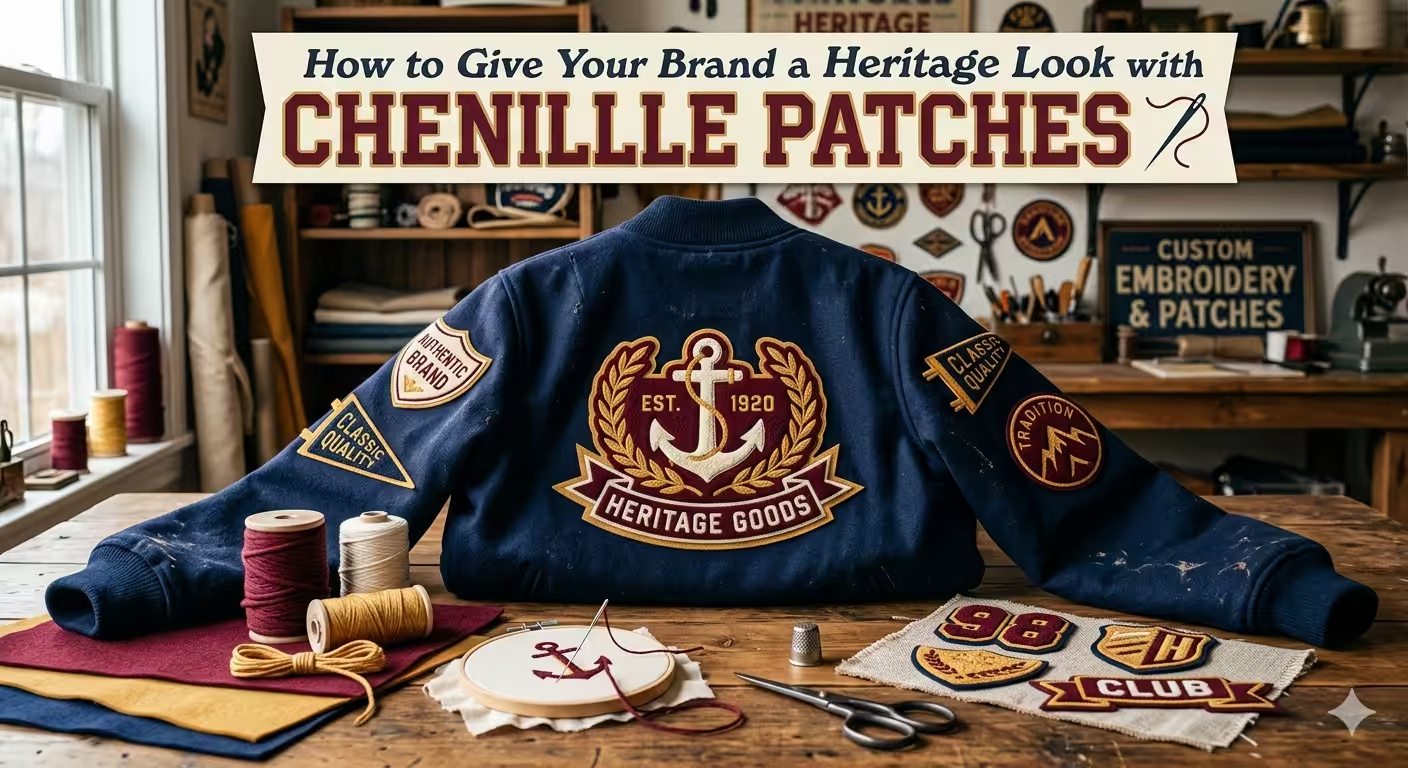
One of the most iconic elements of this look is the use of chenille. Originally popularized by letterman jackets and athletic awards in the mid-20th century, chenille offers a unique, carpet-like texture that instantly evokes a sense of history. By incorporating this into your brand’s physical identity, you aren’t just adding a logo; you are adding a piece of history.
1. The Psychology of “Old School” Texture
Why does chenille work so well for heritage branding? The answer lies in the “Human-Made” signal. In an era where AI can generate a thousand sleek, minimalist logos in seconds, consumers are increasingly drawn to things that feel physical, bulky, and artisanal.
Chenille patches are made using a specialized vaulted yarn technique that creates a soft, fuzzy pile. When a customer sees this on a gilet, a varsity jacket, or a high-end tote bag, their brain immediately associates it with traditional institutions: universities, vintage athletic clubs, and prestigious social guilds. If your brand is new to the market, this association is a shortcut to gaining consumer trust. It makes your company feel like it has been around for fifty years, even if you only launched last month.
2. Designing for the Vaulted Stitch
Unlike standard embroidery, which can handle incredibly fine lines and tiny text, chenille is a “bold” medium. To achieve a true heritage look, you must design your logo with simplicity in mind. Think thick slab-serif letters, rounded mascots, and high-contrast borders.
The goal is to create a design that “pops” off the garment. Because the yarn is raised, the shadows created by the patch itself add a level of dimension that flat printing cannot match. If you are looking to create a localized, community-driven feel for your team, you might start your search for custom embroidery patches near me to find a local specialist who understands how to translate digital designs into these physical textures. This local connection often results in a more authentic, “neighbourhood” feel for your brand’s apparel.
3. Scaling Your Identity Without the Risk
One of the biggest hurdles for small businesses and boutique startups is the “Minimum Order Quantity” (MOQ). In the past, if you wanted high-quality varsity-style branding, you had to order hundreds of units at a time. This led to wasted inventory and a high barrier to entry for creative projects.
However, the manufacturing landscape in 2026 has shifted toward agility. You can now experiment with premium textures without a massive upfront investment. By utilizing services that offer custom chenille patches no minimum requirements, a founder can produce a single high-end sample or a limited run of “Founder’s Edition” jackets. This allows you to test the heritage look on your audience, gather feedback, and ensure the colors and textures align perfectly with your brand’s vision before committing to a larger production run.
4. Choosing Your Heritage Palette
The heritage look is defined by its colors. To truly capture that vintage energy, move away from neon or “ultra-bright” digital hues. Instead, focus on “toasty” and academic tones:
- Deep Forest Green: Evokes tradition and growth.
- Burgundy or Oxblood: Signals luxury and established authority.
- Mustard Yellow: Adds a pop of energy without looking “new.”
- Navy Blue: The ultimate color of stability and professionalism.
When these colors are rendered in chenille, the fuzzy texture softens the hue, making it look slightly aged and lived-in. This “lived-in” quality is the secret ingredient of the heritage look; it feels like an heirloom rather than a fresh-off-the-factory-line commodity.
5. Strategic Placement for Maximum Credibility
Where you place your branding is just as important as the design itself. For a heritage feel, think beyond the standard “left chest” placement.
- The Sleeve Hit: A large chenille initial on the upper arm mimics the traditional letterman look.
- The Nape of the Neck: A small, tactile patch on the back of a hoodie or jacket is a subtle “Easter egg” for the wearer.
- The Large Back Piece: For “workwear” style brands, a massive, multi-textured patch across the back turns the garment into a piece of wearable art.
By using high-quality custom patches as your primary branding vehicle, you give your employees and customers something they actually want to wear. People will often keep a high-quality patch-covered jacket for years, even if they move on from the company, because the item itself feels valuable and well-made.
6. Combining Textures for a Modern Twist
While pure chenille is a classic, the “2026 Heritage” trend often involves mixing textures. You might use chenille for the main body of a logo and standard embroidery for the fine-line text or intricate details. This “mixed media” approach creates a sophisticated, multi-layered look that signals innovation within a traditional framework.
Imagine a chenille “C” for a coffee brand, but with the specific roast details embroidered in a crisp, sharp font over the top. This combination tells the customer: “We have the soul of a classic café, but the precision of a modern roastery.”
7. Conclusion: Building a Brand That Lasts
In the end, the heritage look is about more than just fashion; it is about legacy. In a world that is increasingly ephemeral and digital, people are searching for anchors. They want to buy from brands that feel like they are here to stay.
By investing in the tactile, nostalgic power of chenille, you are making a statement about your brand’s longevity. You are choosing a medium that suggests your company isn’t just a “startup”—it’s an institution in the making. Whether you are creating gear for a small local team or a global corporate identity, the fuzzy, bold, and unmistakable texture of chenille will give your brand the weight and credibility it needs to thrive in the modern marketplace.
Focus on the craft, embrace the texture, and build something that feels like it has a history worth sharing.